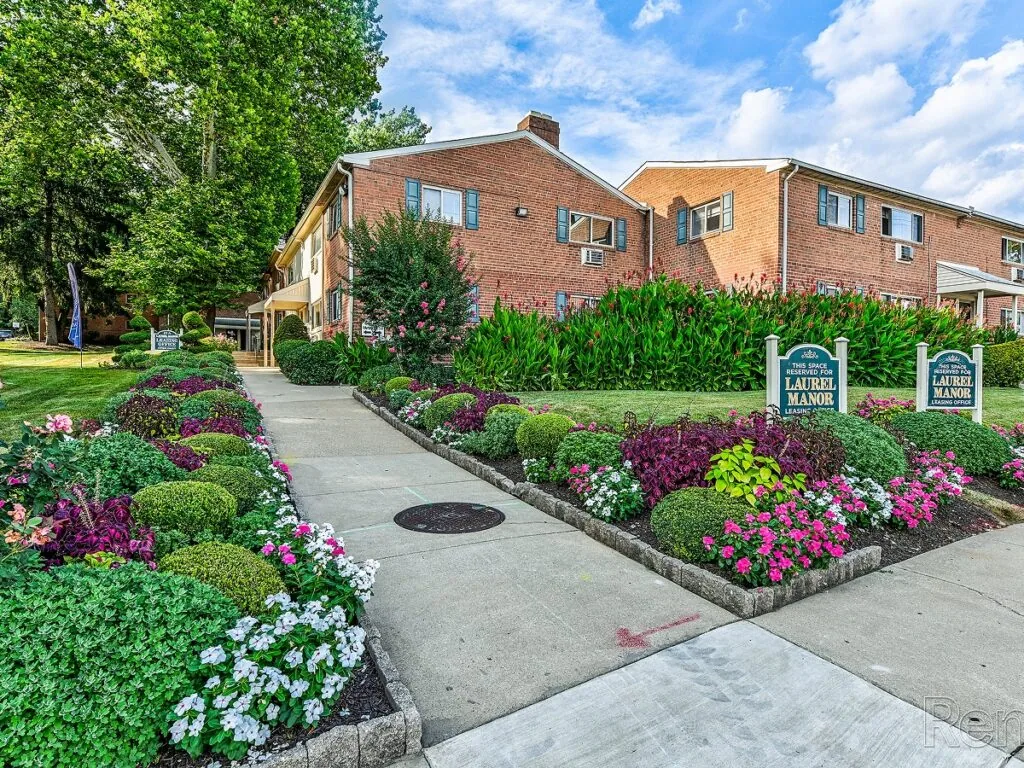
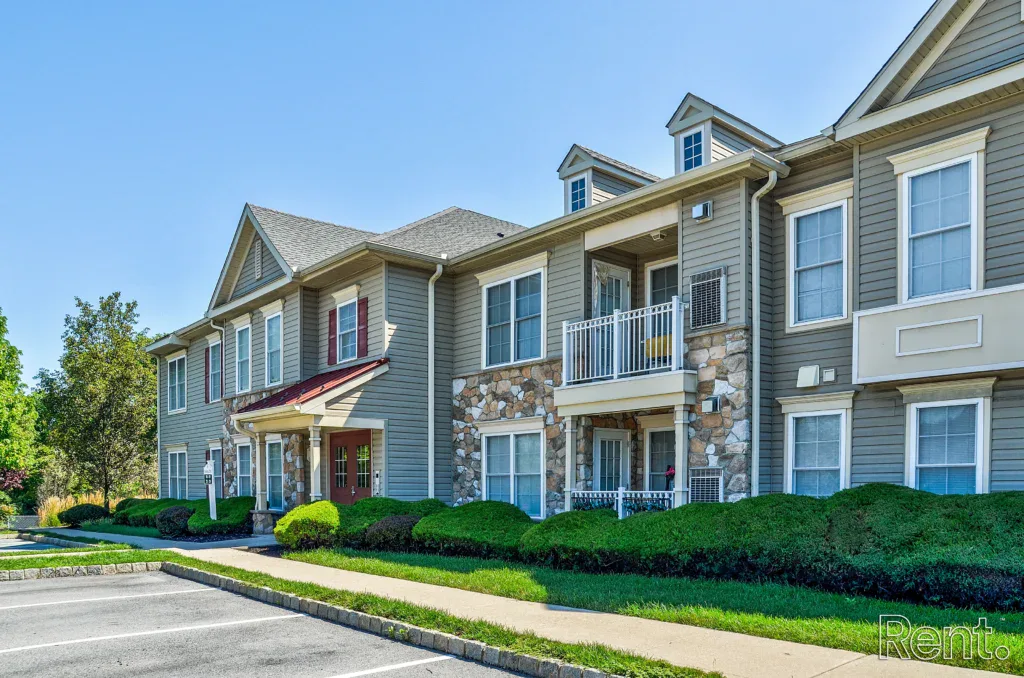
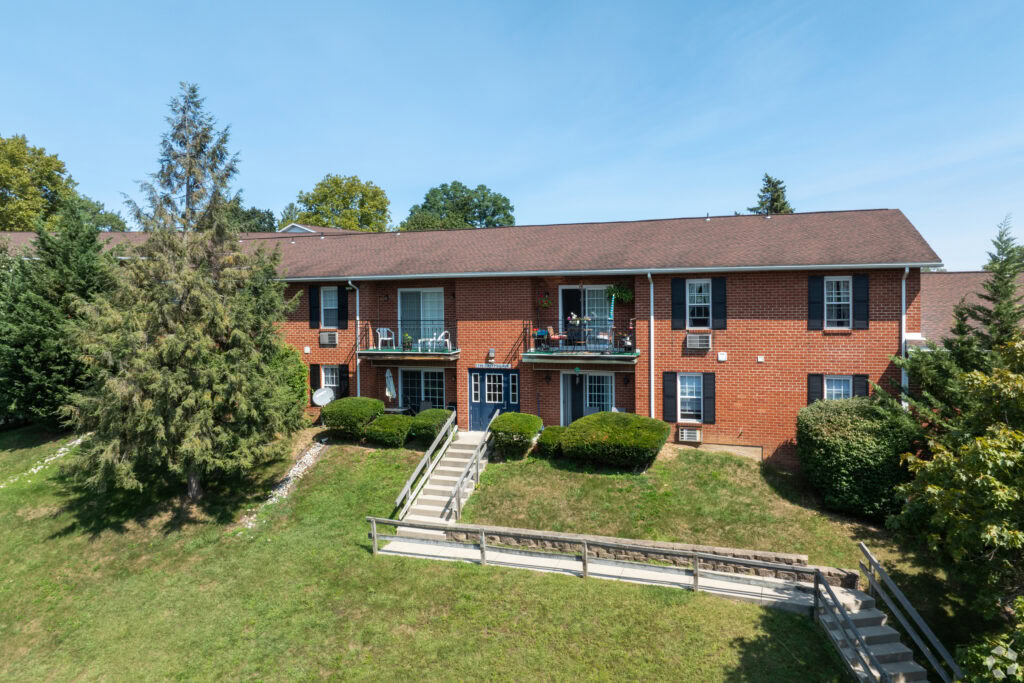
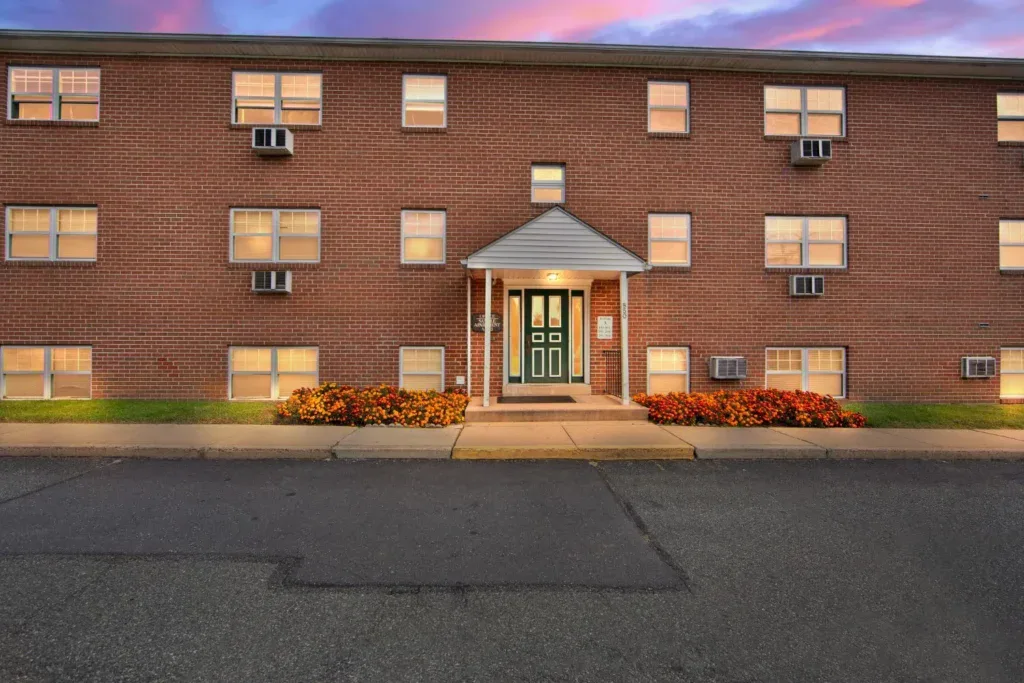
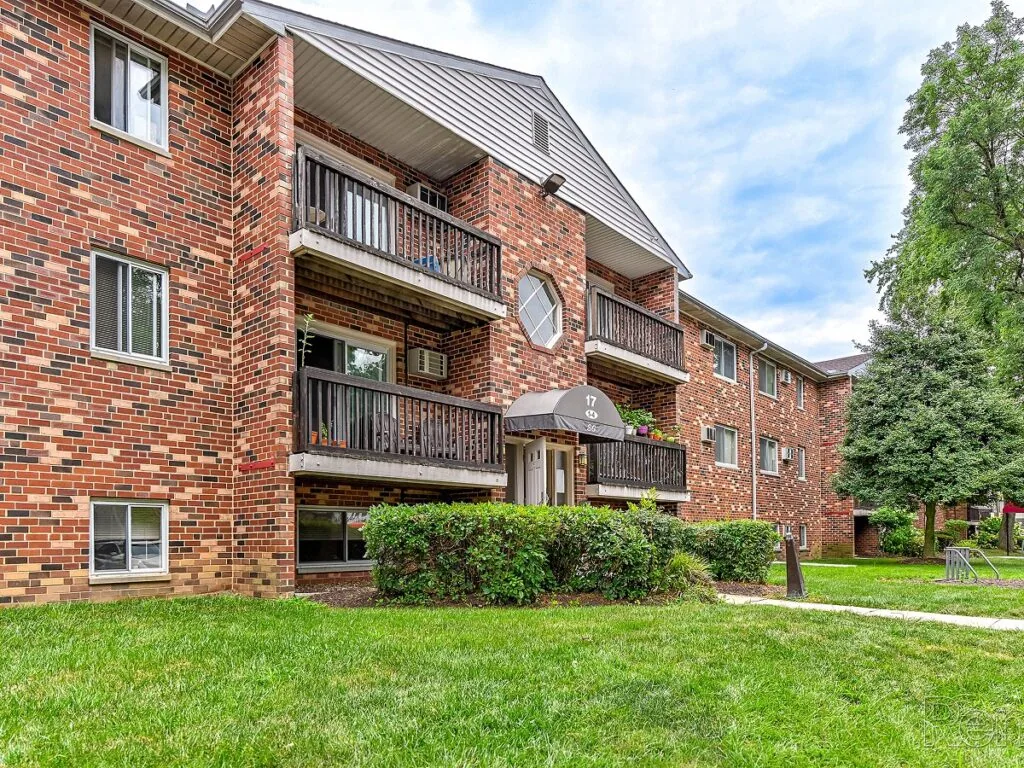


Renting your first apartment in New Jersey can be daunting, especially when there are so many moving parts that you need to think about. Not only do you have to focus on the rent price, but you also need all of your documents in order, and even then, you might feel overwhelmed.
The average rent in New Jersey is $2,414 per month, which is roughly 20% above the national median. That alone should change the way you view apartments in New Jersey, especially if it’s your first time looking for one.
This guide will help you understand how to rent your first apartment in New Jersey from start to finish. This includes what to budget, what documents you should have in hand, what your rights are as a tenant, and what you should be looking out for when touring.
Whether you’re looking for a place to rent in the suburban South Jersey community or closer to Philadelphia or New York City, these first-time renter tips will start you off on the right foot.
Understand the New Jersey Rental Market Before You Search
Before you do anything, you should understand what the NJ apartment rental market looks like and why knowing what you want matters.
North Jersey and the NYC commuter belt run on transit access and proximity to Manhattan. This proximity to popular areas means that the rents are aggressive, everything moves fast, and rental competition is very real.
These types of markets are the ones where first-time renters struggle since they have little to no time at all to figure out what they want.
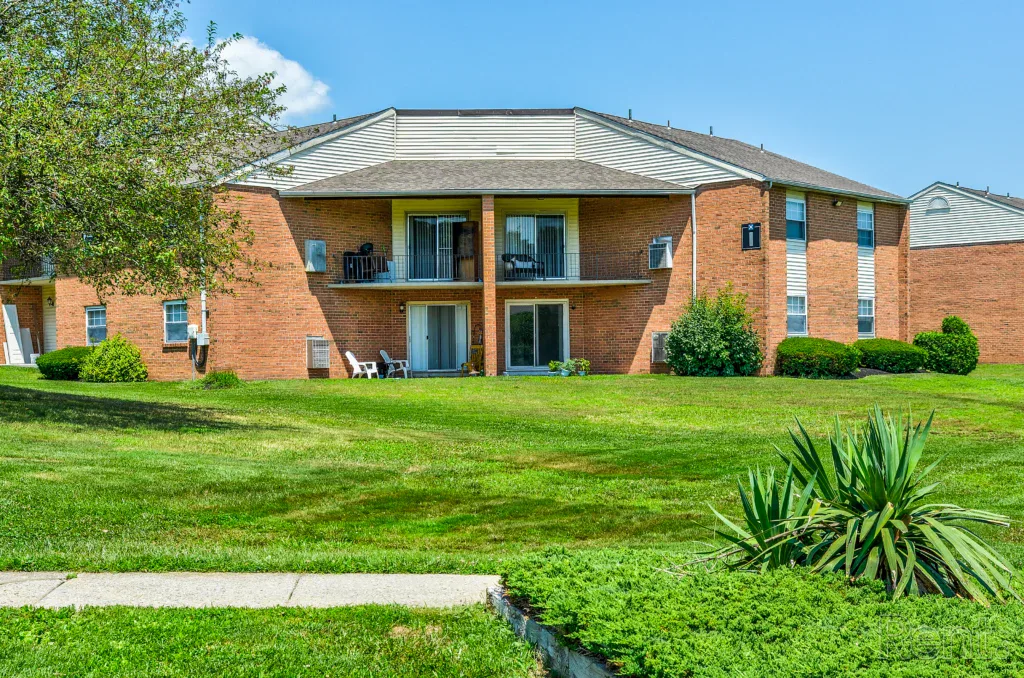
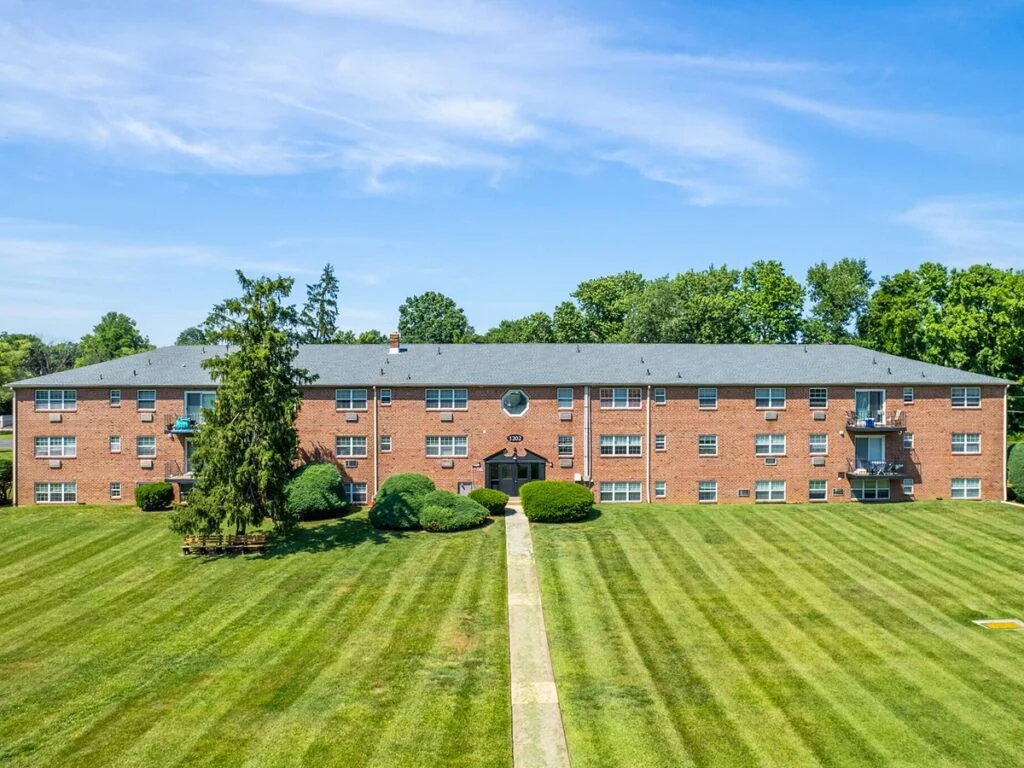
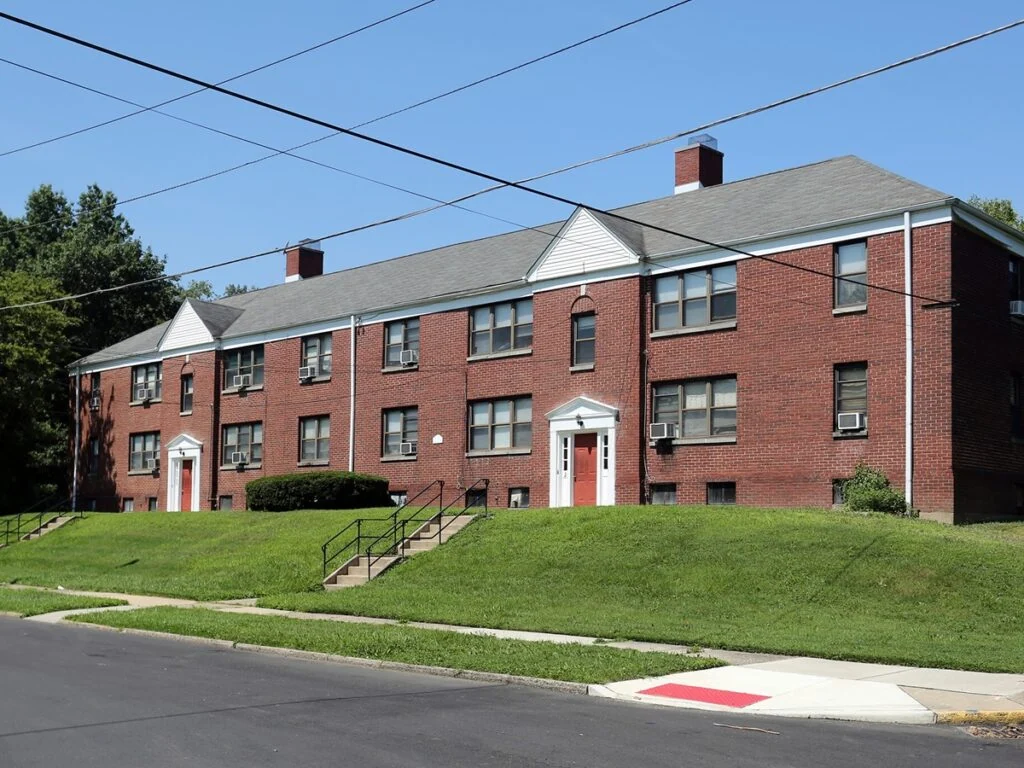
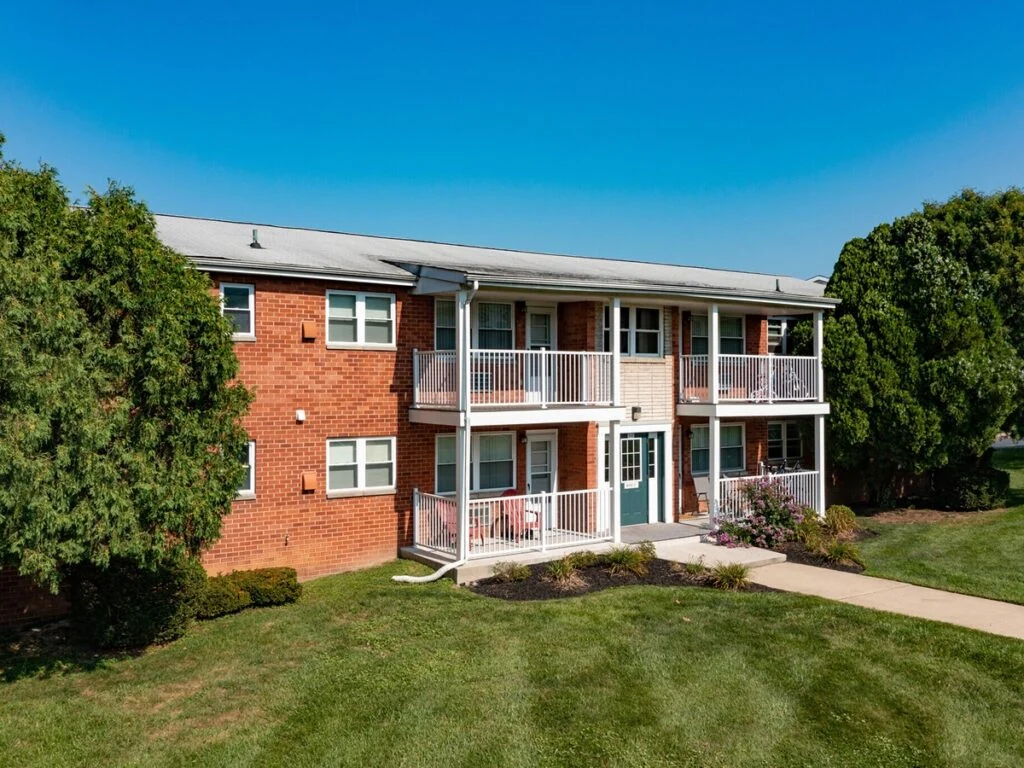
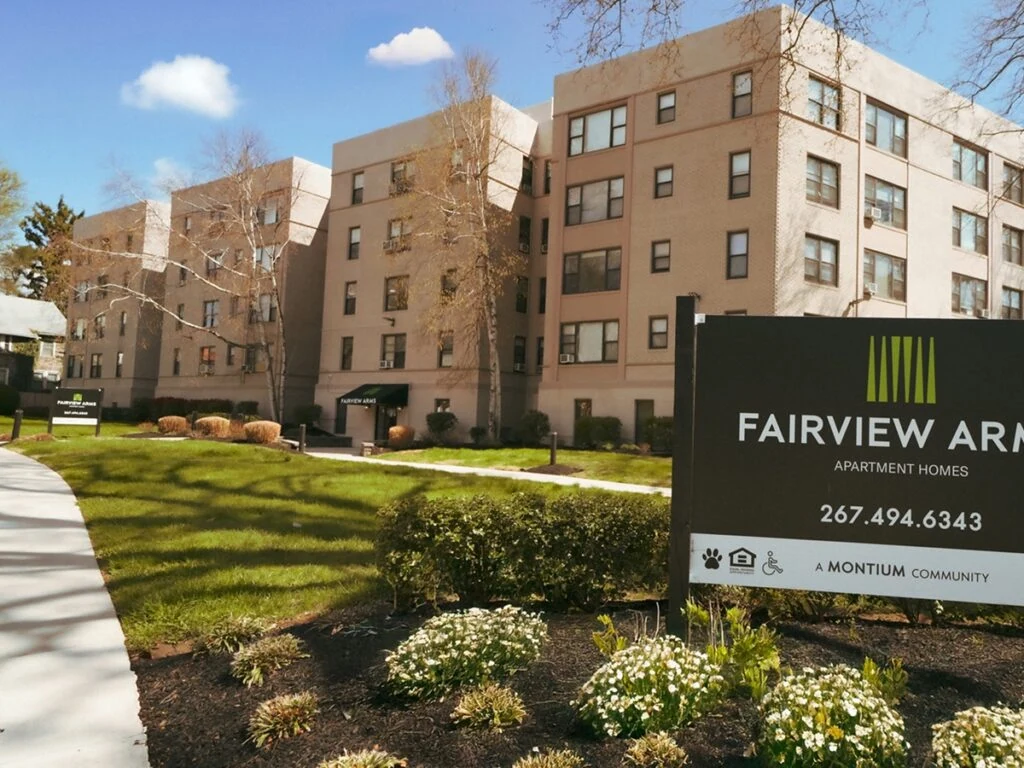
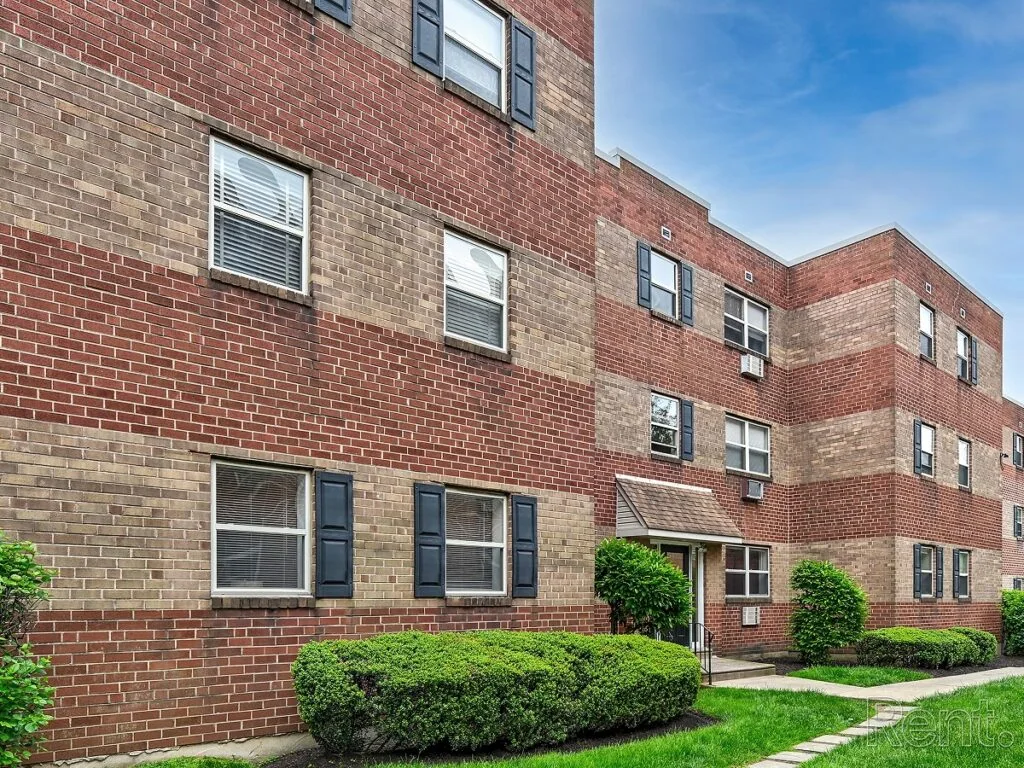
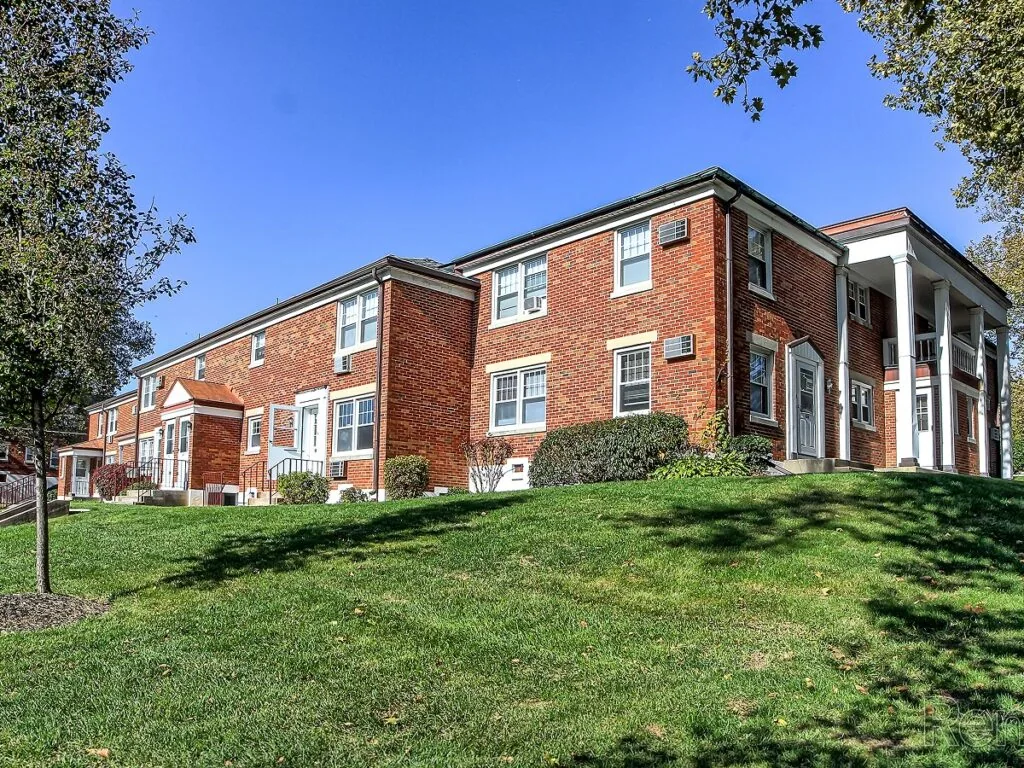
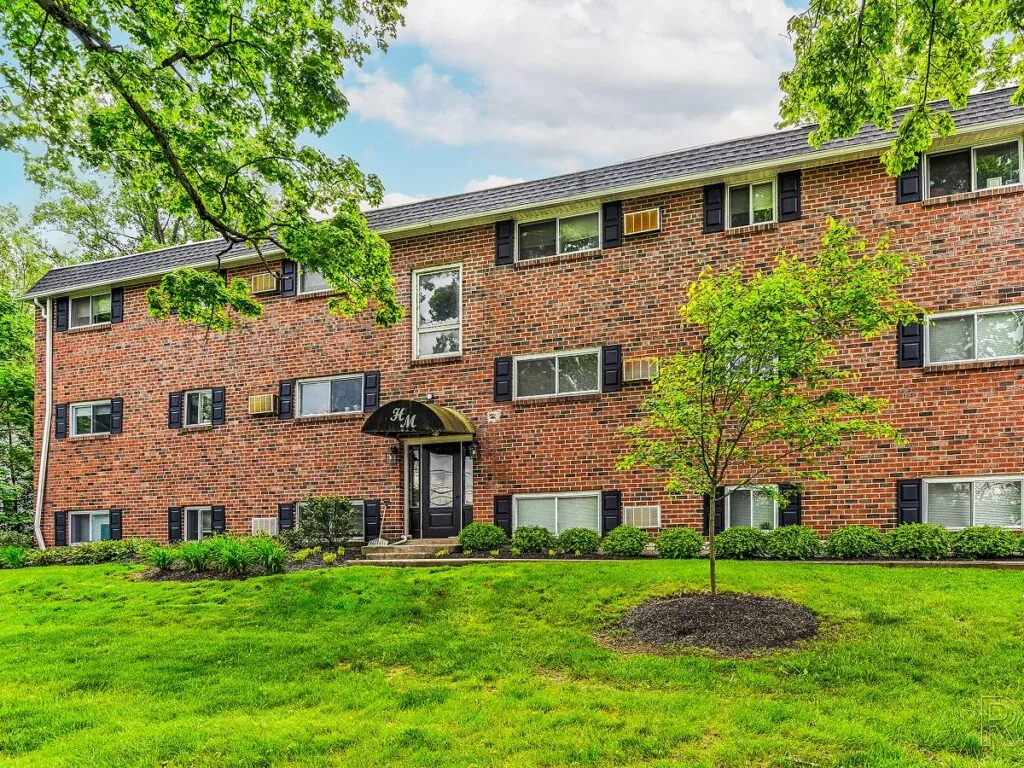
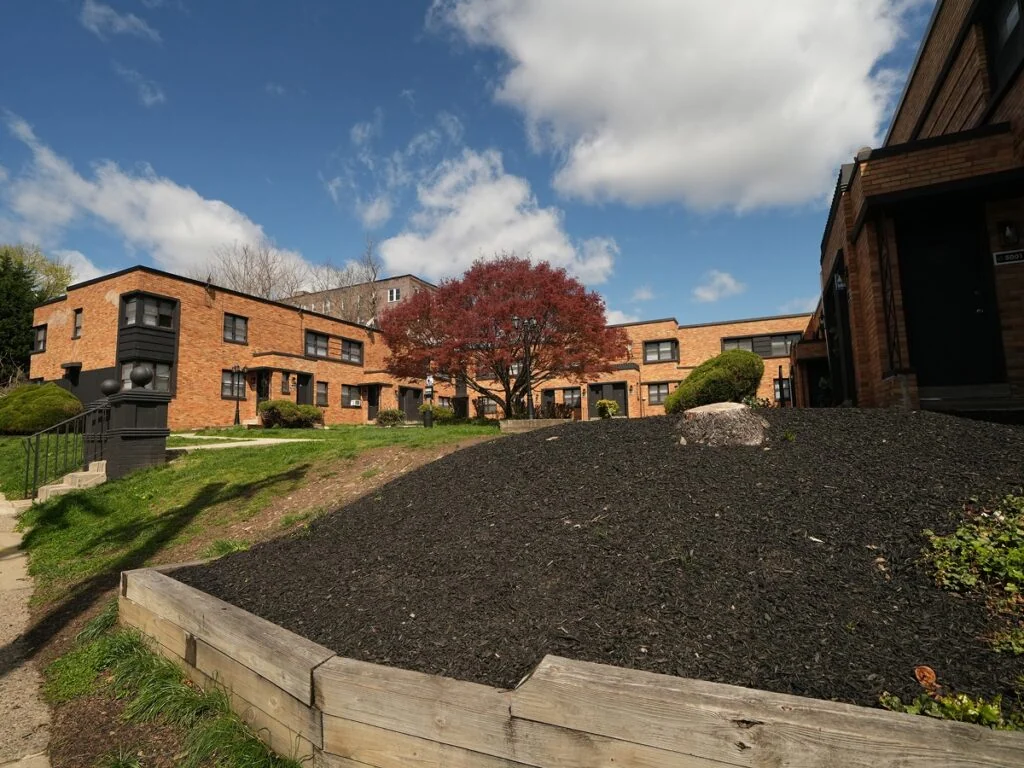
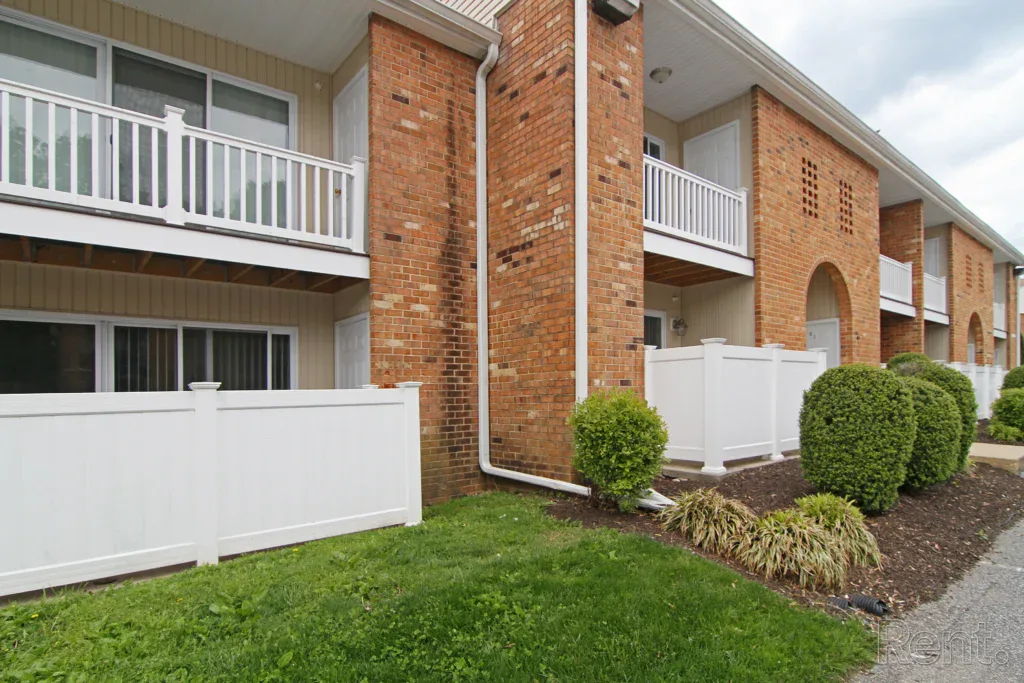
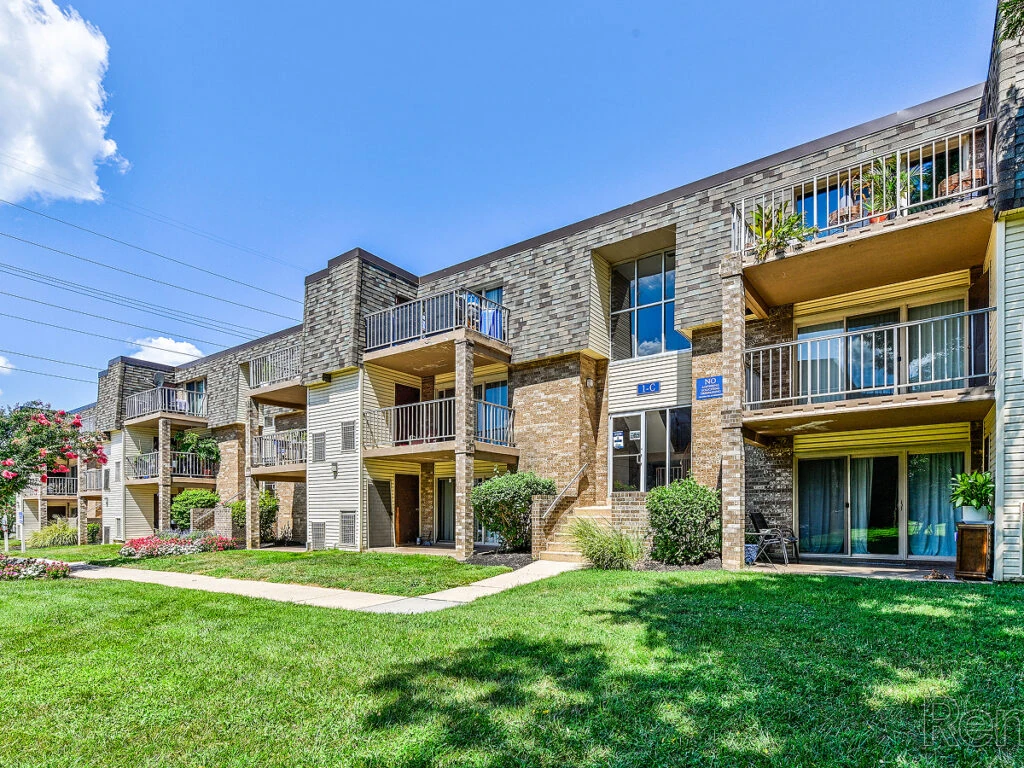
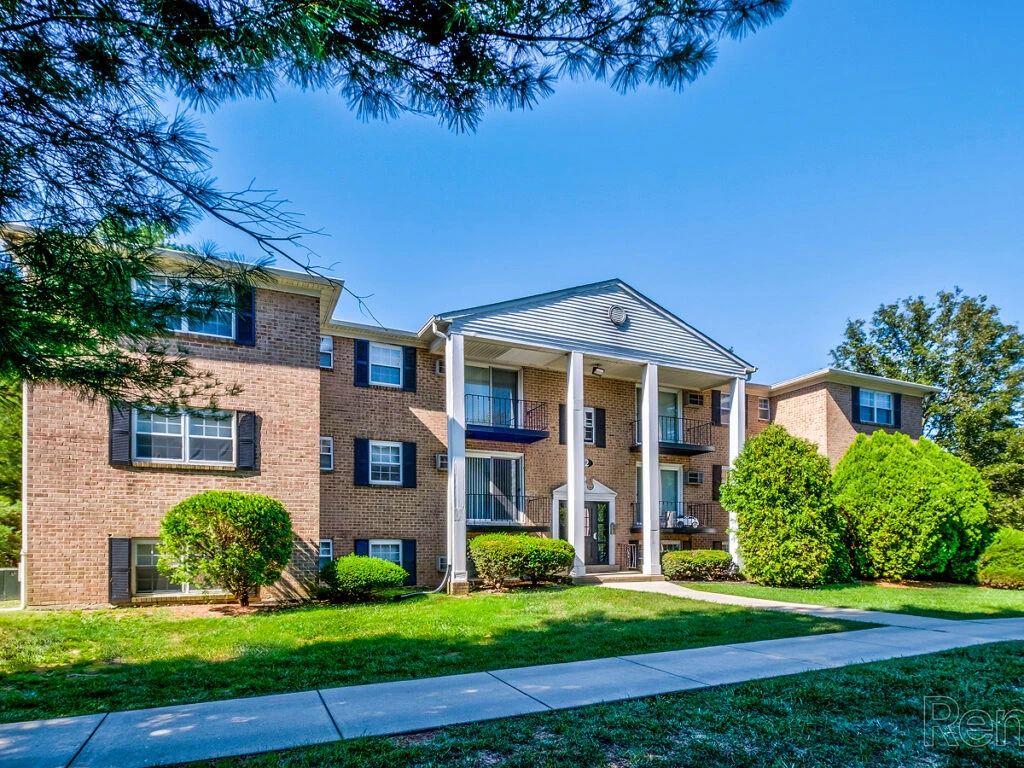
South Jersey and suburban NJ are distinctly different. Communities such as Pitman, Barrington, Glassboro, and Collingswood are a lot more accessible and have a lot more options to choose from.
This is where Montium operates, and for first-time renters, this region is often the better place to start.
Knowing which market you’re entering is only the first step in your apartment-hunting process.
Set Your Budget – NJ’s 30% Rule in Practice
The 30% rule is a popular way of budgeting your rent and overall housing costs with your monthly income. Keeping all of your housing costs below 30% is ideal, and it’s how landlords, financial advisors, and even the U.S. Department of Housing and Urban Development use it to set a standard benchmark every year.
With New Jersey’s average monthly rent of $2,414, you’d need around $96,500 per year in gross household income if you want to qualify comfortably, which may be more likely for two working people looking to rent together.
But at a South Jersey one-bedroom in the $1,400-$1,600 range, the income becomes a lot more reasonable at $50,400 to $57,600 of annual gross household income.
But remember, rent isn’t the only upfront cost you have to consider. Before you even consider touring, make sure you calculate your full move-in cash requirement. First month’s rent, a security deposit of around 1.5x your monthly rent, application fees of $25-$75 per adult, all of the moving costs, and renters’ insurance. What was once a $1,500 per month apartment suddenly transformed into $4000-$5,500 before you even had a chance to unpack the first box.
Make sure you calculate every single number before doing anything, and make sure you can afford that apartment you’re looking at.
Browse through our South Jersey units with one-bedroom options typically around the $1,400-$1,700 range. See Current Availability
Get Your Finances and Documents Ready
You need specific documents to apply for any apartment in NJ. In competitive markets, you can’t afford to take another week to gather your paperwork.
Here is everything you should have ready:
Credit Score: Most, if not all, NJ landlords will require you to have a score of 600-650, with 650 or above considered a clean file. Make sure to check your credit score report before applying to any apartment tours. Make sure to check your annual report using pages and tools such as AnnualCreditReport.com.
Proof of Income: This is a normal ask everywhere. For the most part, landlords will ask for two recent pay stubs. If you’re self-employed, starting a new job, or have non-traditional income, you’ll need a bank statement for verification. Ensure you can prove your monthly gross income is at least three times the monthly rent.
Government-Issued ID: A driver’s license, passport, or state ID works and is mandatory for every adult applicant.
Rental History: Contact information for previous landlords, if any, should include phone numbers, addresses, and dates. If this is your first apartment, then a co-signer can fill that gap for you. Have all of their documents at hand along with yours, since landlords will generally ask for proof of income from the co-signer as well.
Personal Reference: You’ll need to find at least two references from friends and non-family members who can vouch for your reliability. Former employers, professors, or colleagues are suitable as long as you trust them.
SSN for Background Check: Required for all standard tenant screening in NJ. These checks can only be done once you provide the SSN and provide consent. No landlord is legally allowed to run a check without your signed consent.
Renter’s Insurance: Most NJ landlords will ask you for proof of coverage at signing. These are generally not expensive at all, with them being about $15-$20 per month, and they protect all of your belongings before you even move in.
Make sure you have all of this before you find a place in NJ. Applications in competitive markets move extremely fast, which means that if you don’t have everything ready to submit, you can lose your dream apartment to someone who did prepare.
Know Your Rights as a New Jersey Tenant
Your rights as a New Jersey tenant are among the best in the country. Knowing all of them before you sign any contract is important since it lets you identify mistakes or sneaky tactics a landlord might try to use on you later.
The NJ Anti-Eviction Act: This requires landlords to show a legal cause before they can do any sort of eviction proceedings. In NJ, a landlord can’t just kick you out at the end of a lease term. Nonpayment of rent, lease violations, and property damage are all valid reasons, but something like a non-renewal without cause is not allowed under this Act.
Security Deposits: These are capped at 1.5x the monthly rent for a new tenant. After you move out of said apartment, the landlord has a maximum of 30 days to return the deposit or provide a valid written list of deductions. If they, for any reason, miss the deadline or make deductions you dispute, you have grounds to recover the deposit, which can be done through a small claims court where an NJ judge can award double damages for bad-faith retention.
Future renters can also ask for an alternative security deposit, which Montium’s apartment communities offer. Instead of a large upfront payment, you can elect to pay a non-refundable monthly payment.
Habitability: This is a legal right, not a bonus. Your landlord has an obligation to maintain safe and habitable conditions throughout the tenancy. This includes functional plumbing and a structurally safe and sound unit. There are no workarounds.
Adverse Action Notice: If a landlord rejects your rent application solely based on credit or a background check, then they are required to notify you in writing and provide you with the agency used, so you can review and dispute the information if needed.
Going for professional management means zero nasty surprises. Browse Grandview Apartments and connect with our on-site leasing team.
What to Look for When Touring an Apartment in New Jersey
A tour is a lot more than just a walkthrough. It’s your main opportunity to evaluate the apartment’s condition and the management team behind it, so make sure to ask questions and take pictures if needed.
Natural Light and Ventilation: Take a mental note of how light moves through the apartment and make sure all of the windows open and close properly. Poor ventilation is one of the biggest causes of mold in NJ, so check for any mold spots if ventilation is poor.
Water Pressure and Hot Water: Run all the taps. Check that the pressure is consistent throughout the apartment. Weak water pressure in a crowded building can be a daily frustration that doesn’t have any solutions on your end.
Appliances: Check that everything in the apartment is in working condition. This includes the dishwasher, stove, and any other daily-use appliances offered with the apartment. Ask about the age of the appliances and the process for replacing them if they break.
Signs of Pests or Water Damage: This goes without saying, but look for signs of staining on ceilings, soft spots around windows, and any strange droppings in cabinets or along baseboards. Ask directly about it. A strong and well-built property team won’t be defensive about the question and will answer your questions as needed.
Practical Logistics: Simple daily things such as cell signal, mail and package handling, parking assignment, storage, and proximity to laundry if the unit doesn’t provide one. These all might seem minor and not worth mentioning in your first tour, but they can add up and are significant when you’re living there.
The apartment you tour and the apartment you move into should look and feel the same. If a property team is specifically reluctant to show you something or answer any of your maintenance questions directly, that should instantly tell you something.
How to Apply – What NJ Landlords Are Actually Looking For
One of the best tips we can give you as a first-time renter, and that you might not want to hear, is that the application isn’t just a formality; in a competitive market such as NJ, how you apply matters just as much as what your file contains.
A strong application should be complete from the start. Nothing should be missing. Make sure you read through every field before submitting.
Your income at 3x monthly rent, clearly documented. If your income is variable, make sure to show the full picture with bank statements.
Rental history gaps are common, and landlords tend to understand that. You can always add a co-signer with high income and credit, or a properly organized application that makes the rest of your file a lot easier to approve.
Remember that application fees in NJ can range from $25 to $75 per adult and are non-refundable, so if you’re completely serious about 2-3 apartments, then make sure you budget with the fees in mind.
Standard processing in NJ takes around 1 to 3 business days for most applications, but more complex applications, such as adding co-signers or self-employment income, can take up to a week.
A strong application isn’t just proof you can pay the rent, it’s proof you’ll be a good neighbor as well.
Read Your Lease Before Signing
This should be obvious, but make sure to go through everything before signing a lease since it’s a binding contract with the landlord.
Here are some things to look for when reading it: Rent amount and due date, any late fee structure, the lease term (12 months being the standard in NJ), renewal terms and required notice periods, pet policies, subletting restrictions, and what maintenance responsibilities fall on you and not the landlord.
Entry Notice: NJ landlords need to provide a notice before they are able to enter your unit, unless there’s an emergency that requires it. For most, 24 hours is the common standard. Make sure to check what your lease says. If it has less time, make sure to ask why.
Red Flags: Vague or ambiguous language around delicate sections, such as security deposit returns and move-in condition documentation, should raise alarms in your head. The same applies to a lack of a move-in inspection process, which is standard practice in most leases.
If something was agreed upon during your tour or on the phone, such as a repair that needs to be completed before you move in, or an appliance that needs to be replaced, make sure to add it in writing as an addendum before you sign anything.
A professional property management team shouldn’t have any issues with putting it in writing since it was already agreed upon before.
Protect Yourself from Day One With a Good Move-In Checklist

Before you move in and start unpacking, make sure to take pictures of everything so you have proof of how the apartment looks from day 1. If there is any damage that needs to be repaired, write a summary, send it to your landlord via email, and attach photos and videos if needed.
Don’t forget to request any repairs that the landlord agreed to if they are not done by the time you move in.
Double-check which utilities are covered in your rent and set up the ones that aren’t covered before you move in.
Secure your renter’s insurance before moving in as well. Most policies take around 24h to activate and cost less than a single dinner out each month. A lot of landlords nowadays ask for proof of coverage when handing you the apartment key.
Set up an auto-pay for your rent from day one. This way, you can avoid any headache that comes with not paying your rent on time, such as late fees.
First Apartment FAQs: New Jersey Edition
How much do I need to earn to rent an apartment in New Jersey?
We recommend that you use the 3x monthly rent rule as your benchmark. At New Jersey’s statewide average of $2,414 per month, you’d need around $7,242 per month in gross income, which amounts to $87,000 per year. For South Jersey, rent is lower, averaging around $1,400-$1,700 per month. This means that the income requirement drops to roughly $50,000 annually.
What credit score do I need to rent in New Jersey?
Almost every NJ landlord looks for a minimum score of 600-650. A score above 650 is seen as a clean file and tends to go through screening without any problems at all. Scores between 600 and 649 can still get approved, especially if your co-signer has a strong income, but you shouldn’t bank on it going through every single time. Check your report before applying at all, so you’re not caught off guard.
What documents do I need to rent an apartment in NJ?
All standard NJ applications will ask for a government-issued ID, proof of income, rental history (if applicable), personal references, Social Security Number for background checks, and proof of renter’s insurance at lease signing.
Can I rent an apartment in NJ without a rental history?
Yes, and it’s a lot more common than you might think. First-time renters successfully secure apartments in NJ every day without a rental record. We recommend that you offer a co-signer with a high income and credit upfront before getting asked. Also, being transparent with the property team that this is your first rental is generally appreciated and helps them understand your position a lot better.
What are my rights if my NJ landlord keeps my security deposit?
Under New Jersey law, your landlord has a maximum of 30 days after move-out to return your security deposit in full or provide you with a written, itemized list of deductions if applicable. If they, for any reason, miss this deadline, fail to provide documentation, or make deductions that you believe are not reasonable or justified, you have the right to pursue the return through the NJ small claims court.
Ready to Find Your First New Jersey Apartment?
Now that you know what to budget for, everything you need to bring for an application, what your rights are as a tenant, and what to look for in a lease, you are now ready to find your first place in New Jersey.
Montium manages apartment communities across South Jersey, including properties in Pitman, Barrington, Glassboro, and Collingswood. All of these communities are built for long-term residents, not just first-year leases. Our on-site teams are available to answer every question you have before and after you sign.